

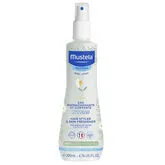

It all started in 1950, when Paul Berthomé decided to partner with a pharmacist Claude Guillon, to create the very first cleansing milk specially designed for babies’ skin. On top of achieving a technical innovation, they also introduced a way to free up time for parents – which really meant women’s time, back then. 70 years and many million soft-skinned babies later, our ambition is still the same: to stand by parents and make their life easier thanks to our natural origin cosmetic brands.
See all products




Description
MUSTELA
How to use
(1)Babies out of NICU
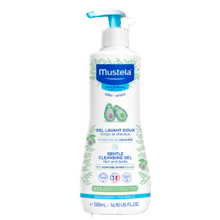
Effectively and gently cleans the baby skin. Soothes to improve the appearance and tingling sensations associated with very sensitive baby skin, especially due to hard water bathing. Tear-free formula. Pleasurable to use
Its fragrance-free formula leaves a pleasant scent, the baby skin soften and hair silky. Easy to rinse off. Gently cleans the baby skin: 100%(2a) New born skin strenghtens: 95%(2b) Soothes even fragile and immature child skins : 98%(2b)
Shop Online Mustela Very Sensitive Skin Soothing Cleansing Gel 200ml at best price.
Product features:
- BABIES: Hygiene
Product Reference: #121386
Directions for Use: 1. Wet baby's hair and body with lukewarm water. 2. Gently apply a small amount of Mustela Very Sensitive Skin Soothing Cleansing Gel to the skin and hair, lathering gently. 3. Rinse carefully, ensuring all product is removed. 4. Gently pat the skin dry with a soft towel, paying attention to skin folds.
Recommended Frequency: Can be used daily during bath time or as needed to cleanse baby's hair and body. Suitable for newborns and babies with very sensitive skin.
Additional Tips: For best results, follow with Mustela Very Sensitive Skin Soothing Moisturizing Lotion or Balm. Avoid contact with eyes. If contact occurs, rinse thoroughly with water. Store at room temperature. Discontinue use if irritation occurs. Ensure the water temperature is comfortable for the baby. Always supervise baby during bath time. This product is fragrance-free, minimizing the risk of allergic reactions.